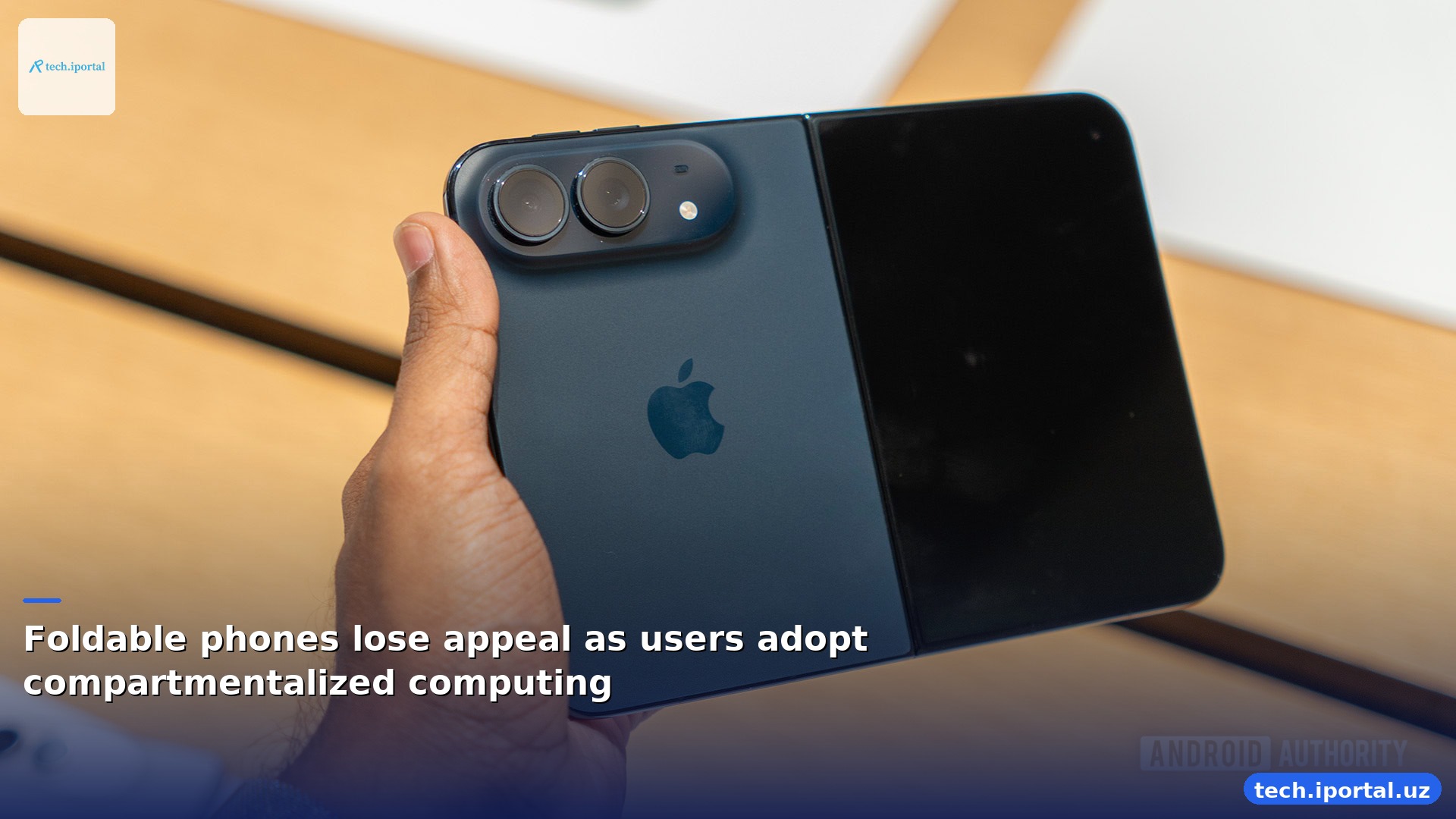
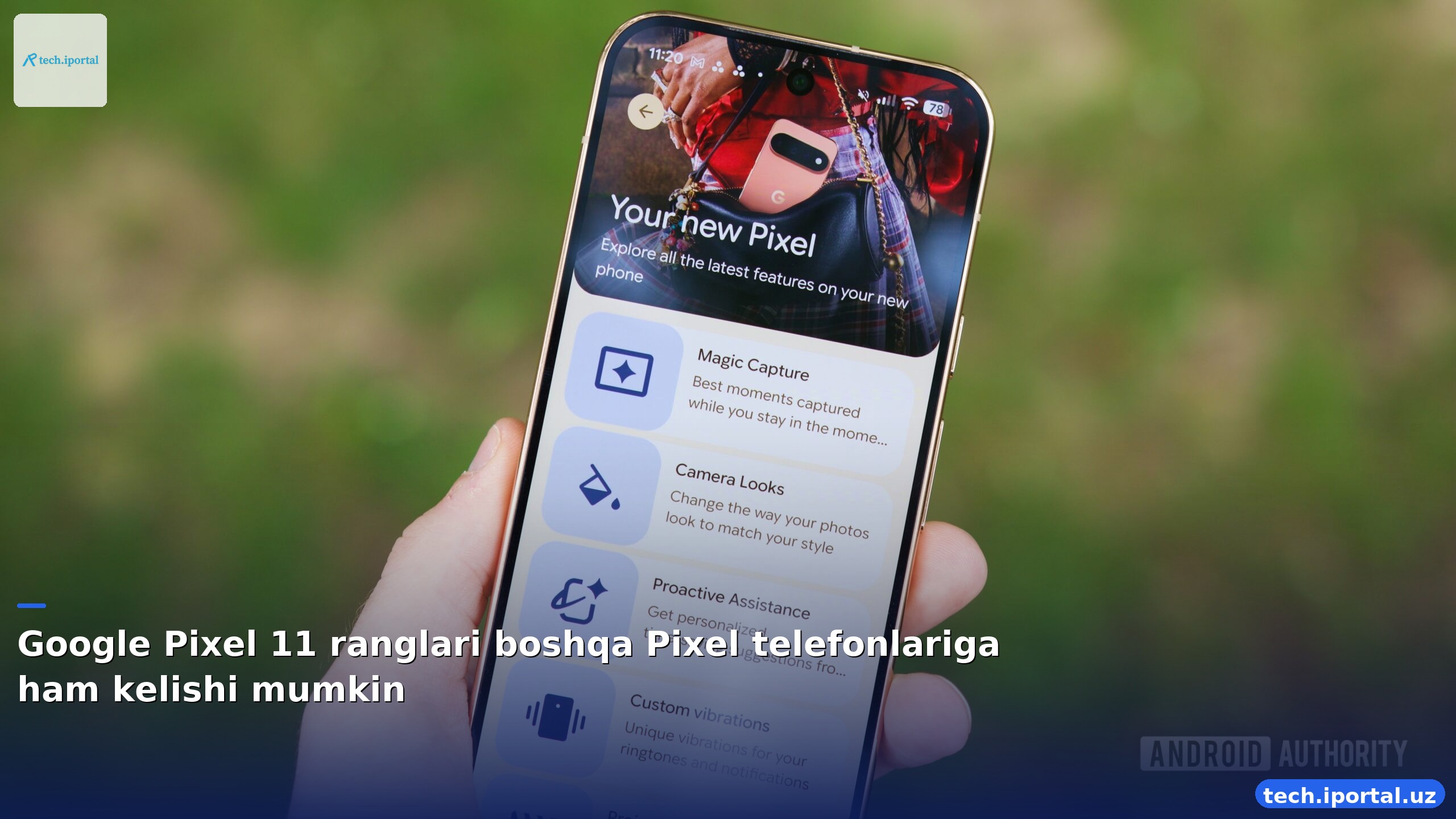
When foldable smartphones first appeared, they promised to merge the convenience of a phone with the productivity of a tablet. Early adopters praised the ability to open a device and instantly gain a larger canvas for multitasking. Yet, a year after the hype, many users are rethinking the value of a single device that tries to do everything.
Background and shifting user expectations
In the early 2010s, the smartphone was celebrated for consolidating dozens of gadgets—music player, camera, GPS—into one pocket‑sized tool. That narrative still resonates, but the way we interact with digital services has evolved. Notifications from social platforms, constant collaboration tools, and the rise of remote work have turned the phone into a perpetual attention hub. As a result, users are looking for ways to separate work, leisure, and rest rather than compress them into a single screen.
Why the foldable mechanism struggles to deliver
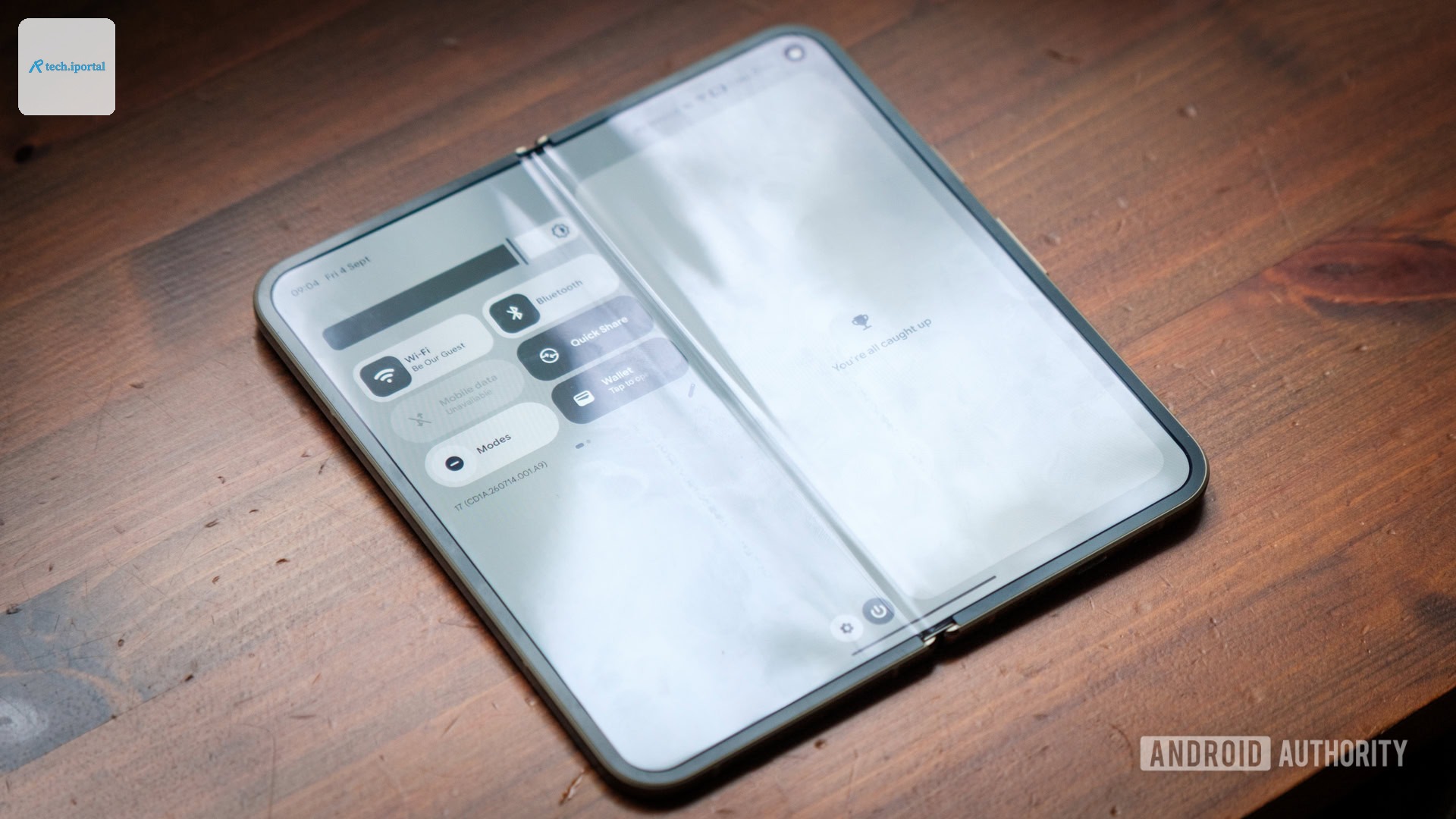
The core appeal of a foldable lies in its hinge, a complex mechanical system that allows a phone to transform into a tablet‑sized display. While engineering marvels, these hinges introduce trade‑offs. First, the added moving parts increase the risk of wear, dust ingress, and higher repair costs. Second, the larger unfolded screen consumes more power, shortening battery life compared with traditional slab phones. Finally, the software ecosystem has not fully adapted; most apps still assume a single‑screen layout, so the promised multitasking benefits appear only in a handful of optimized applications.
Compartmentalized computing: a multi‑device strategy
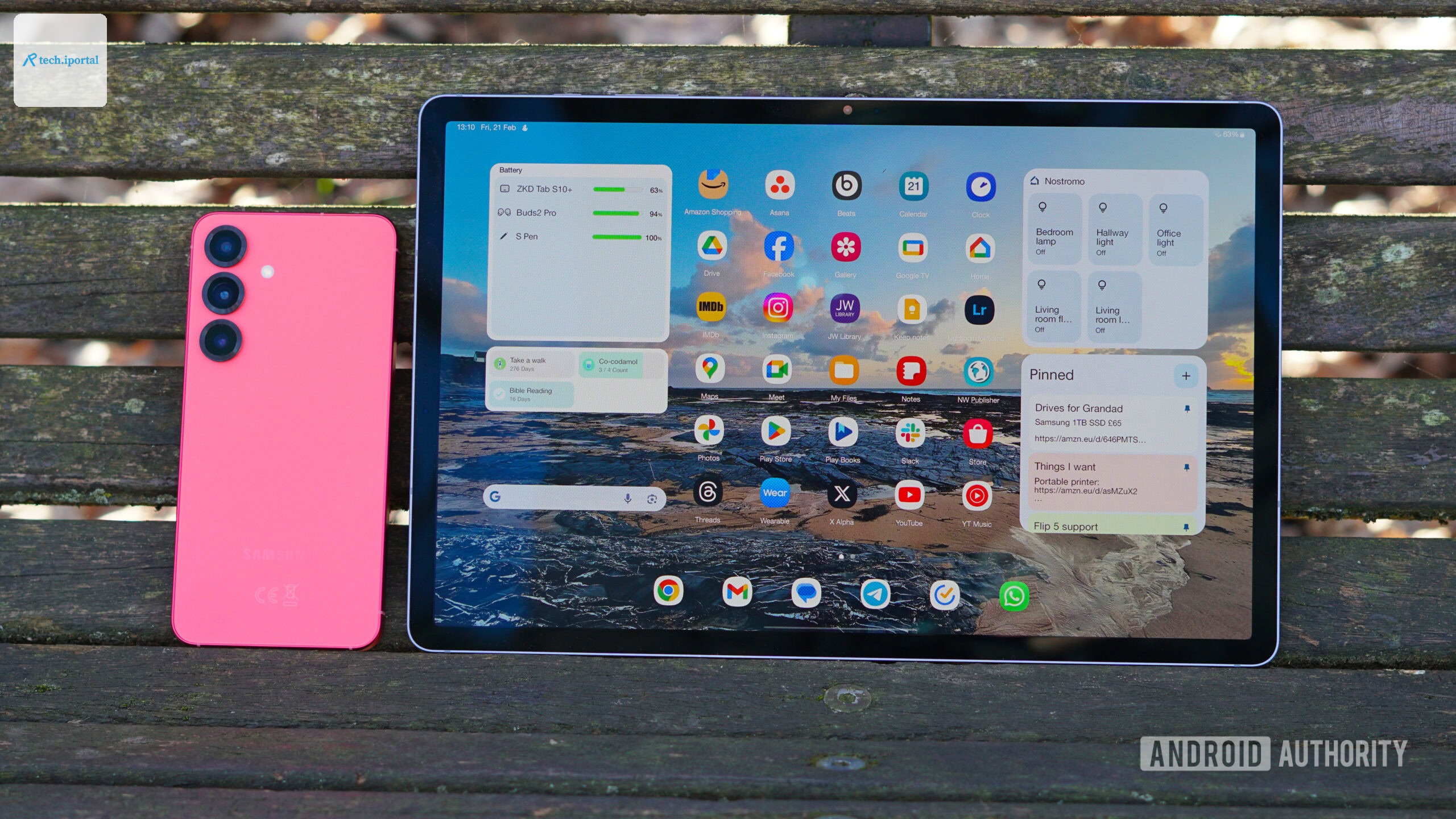
Instead of relying on a single foldable, some users are embracing a deliberately fragmented setup. The idea is simple: assign each device a clear purpose and let physical separation create mental boundaries. A smartwatch handles notifications and quick interactions, a dedicated tablet serves as an entertainment hub, and a conventional phone remains the primary communication tool. This approach restores a natural cue—turning off a laptop signals the end of work, while picking up a tablet invites relaxation.
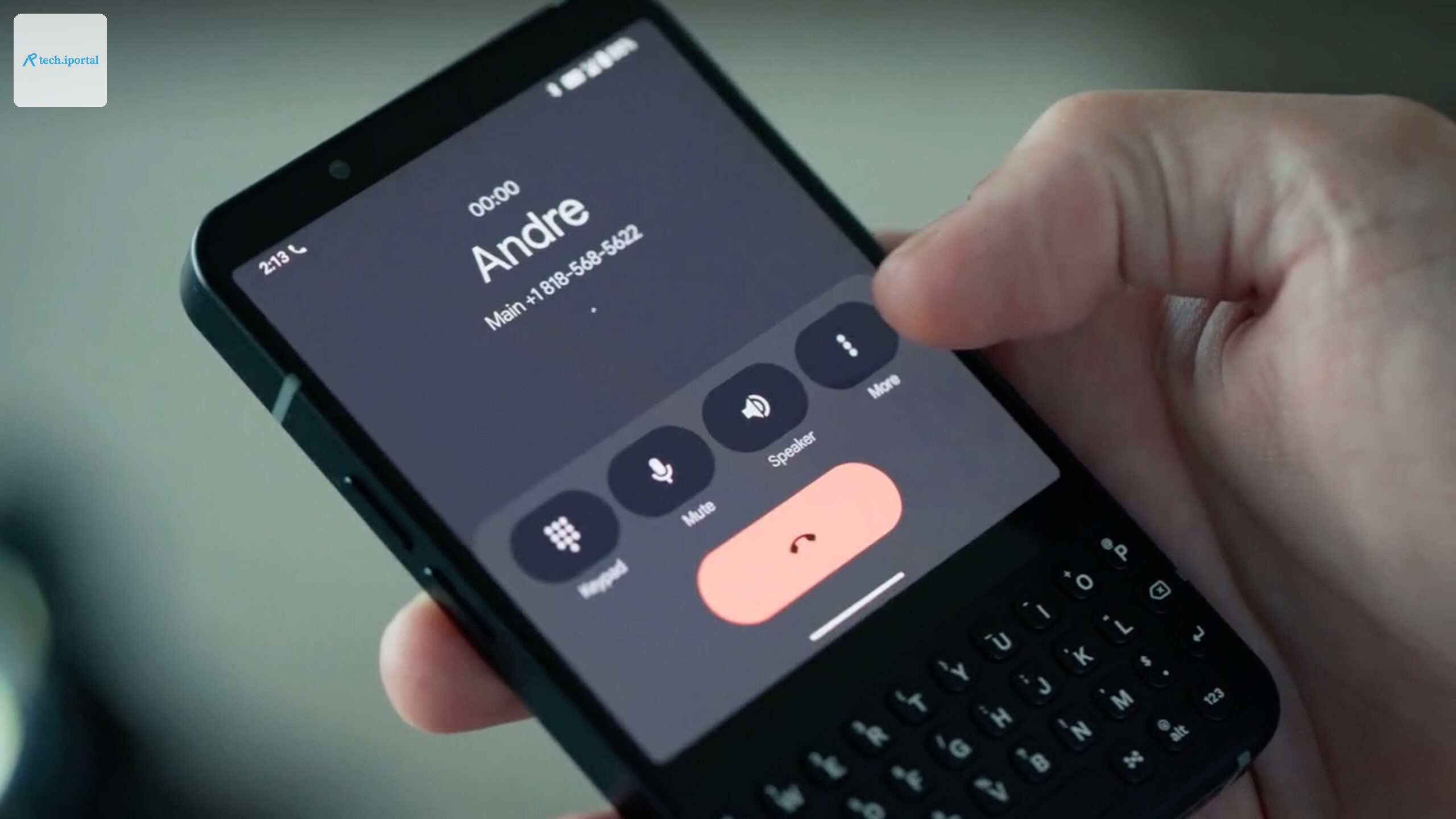
Key benefits of compartmentalization include reduced cognitive overload, clearer work‑life separation, and lower reliance on software tricks that try to hide notifications. By adding screens rather than removing them, users report feeling more in control of their attention.
Comparison with alternative form factors
- Traditional slab phones: Simpler design, lower cost, and proven durability. They lack the large canvas but avoid the mechanical fragility of foldables.
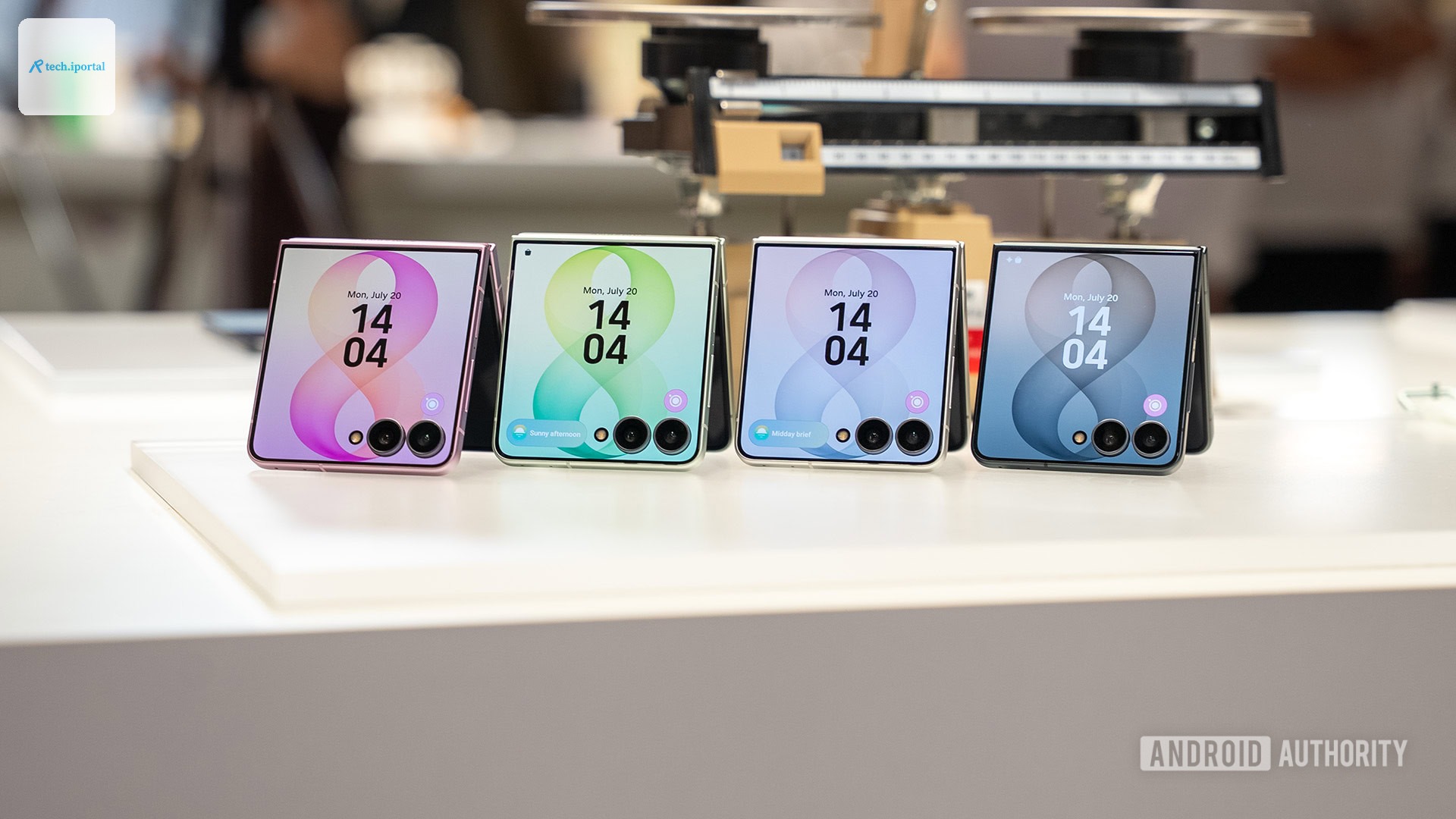
- Flip phones: Offer a compact footprint and a secondary display for quick tasks. They do not attempt to replace a tablet, so the trade‑offs are minimal.
- Dedicated tablets: Provide ample screen real estate for media and productivity without the need for a hinge. When paired with a phone, they create a clear division between communication and content consumption.
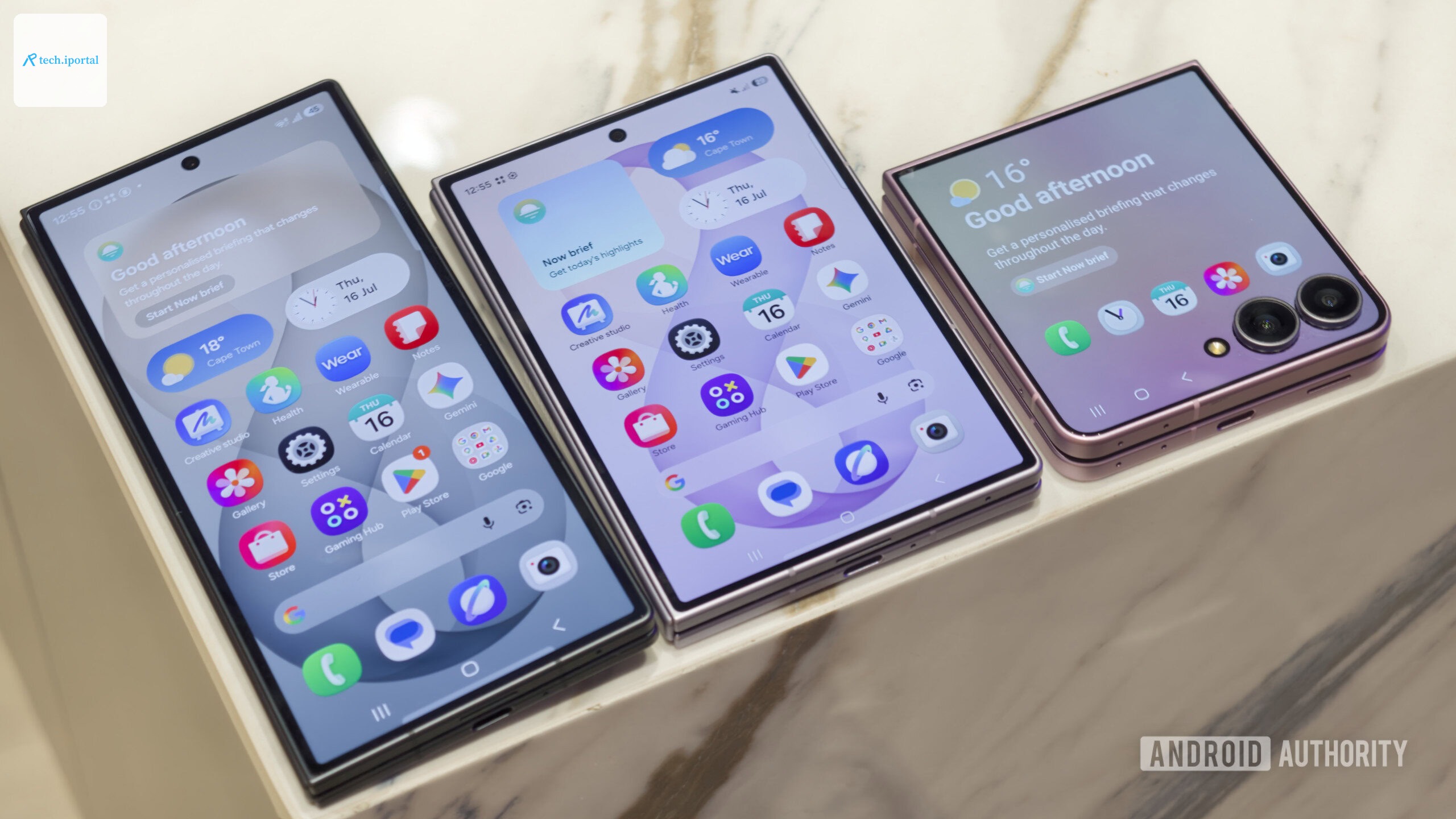
- Foldable phones: Combine two form factors in one, but at the expense of weight, thickness, and long‑term reliability. Their advantage is most evident for power users who genuinely need simultaneous large‑screen multitasking.
Open questions and future directions
Several challenges remain before foldables can regain broader acceptance. Manufacturers must improve hinge durability and reduce device thickness to make the form factor feel as natural as a slab phone. Software developers need better APIs to detect and adapt to dynamic screen sizes, ensuring that more apps benefit from the extra real estate. Finally, pricing will continue to be a barrier; unless the cost gap narrows, the niche appeal will persist.
Impact on users and industry
For consumers, the shift toward compartmentalized computing means rethinking the notion that "one device fits all." It encourages a healthier digital routine and may reduce the pressure on manufacturers to cram multiple functions into a single chassis. For the mobile industry, the lesson is clear: innovation should solve real workflow problems, not just add novelty. If future foldables can demonstrate consistent productivity gains without compromising durability or battery life, they may find a sustainable place alongside more specialized devices.
In the meantime, many former foldable fans are finding satisfaction in a balanced ecosystem of smartwatch, phone, and tablet—each serving a distinct role while collectively delivering a seamless digital experience. The conversation about mobile form factors is far from over, but the current trend suggests that simplicity and purposeful design are winning over the allure of complex hinges.
Read the original perspective on Android Authority: Why I can’t stand foldable phones.