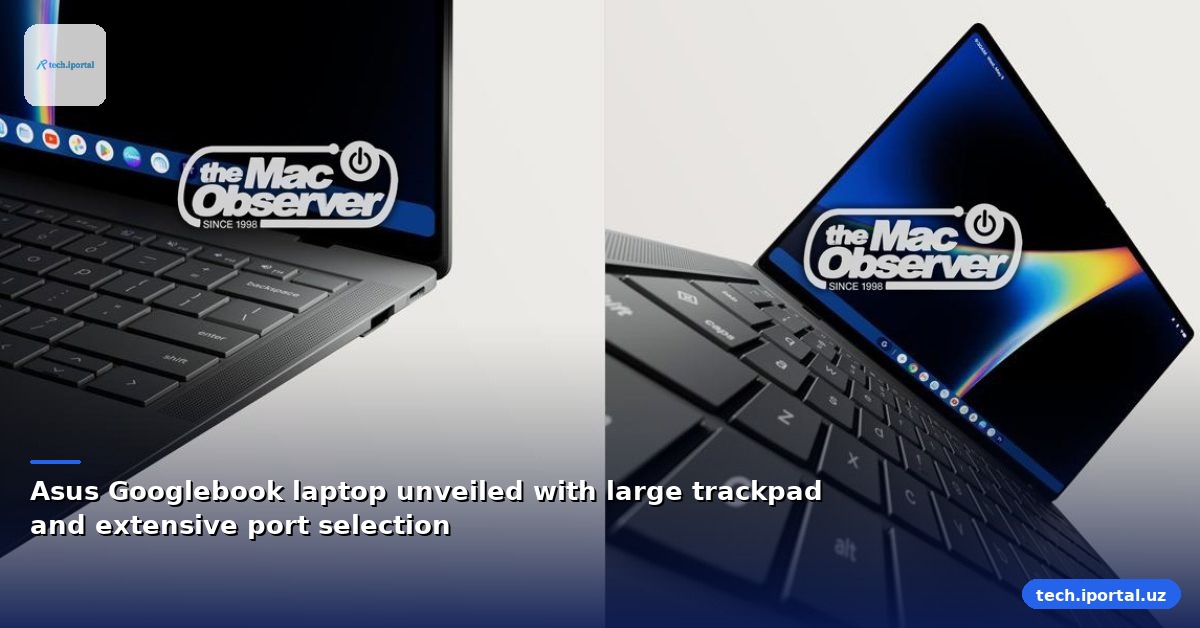
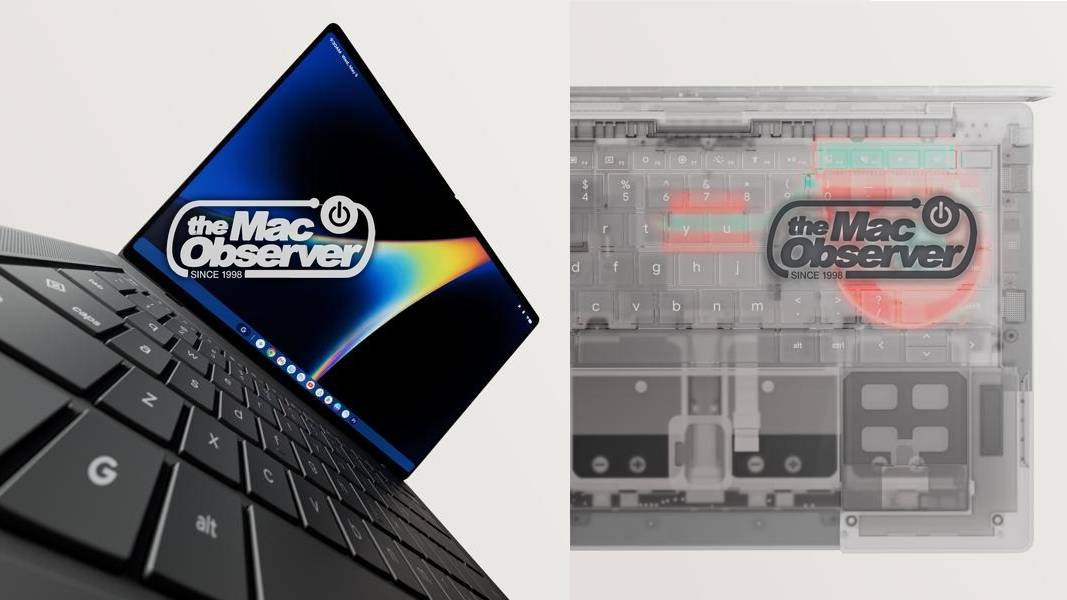
Leaked photographs of the upcoming Asus Googlebook have given tech enthusiasts a clearer view of the device’s physical design. The images, obtained by a reputable tech outlet, show a laptop that balances a modern aesthetic with a practical port layout, a feature that many users have missed on recent ultra‑slim models.
Design language and ergonomics
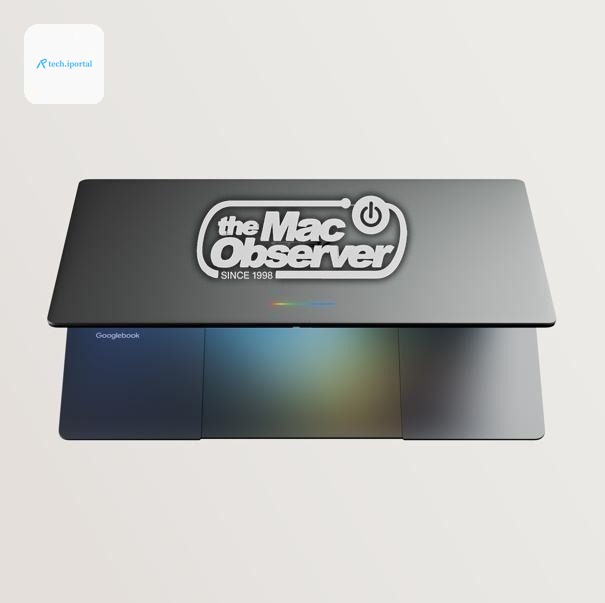
The chassis appears to be constructed from a matte aluminum alloy, offering a premium feel while keeping the weight manageable for daily commuting. The display bezel is thin, allowing the screen to extend close to each corner, which enhances the immersive experience for both work and media consumption. A subtle lightbar runs along the outer edge, providing visual cues for power status and notifications without being distracting.
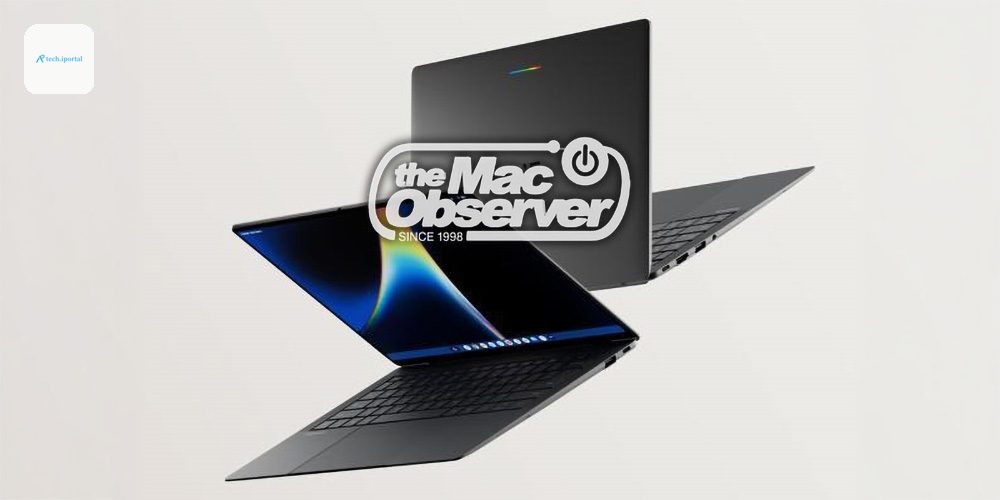
One of the most striking ergonomic elements is the trackpad, which is noticeably larger than the average laptop pad. Its generous surface area promises smoother cursor control and better support for multi‑finger gestures, a boon for users who rely heavily on touch navigation. The keyboard maintains a traditional depth, offering comfortable typing without the cramped feel of some recent thin‑key designs.
Port configuration and connectivity
Unlike many competing ultrabooks that rely on a single USB‑C port and a dongle ecosystem, the Googlebook provides a robust selection of native ports. Based on side‑view images, the layout includes:
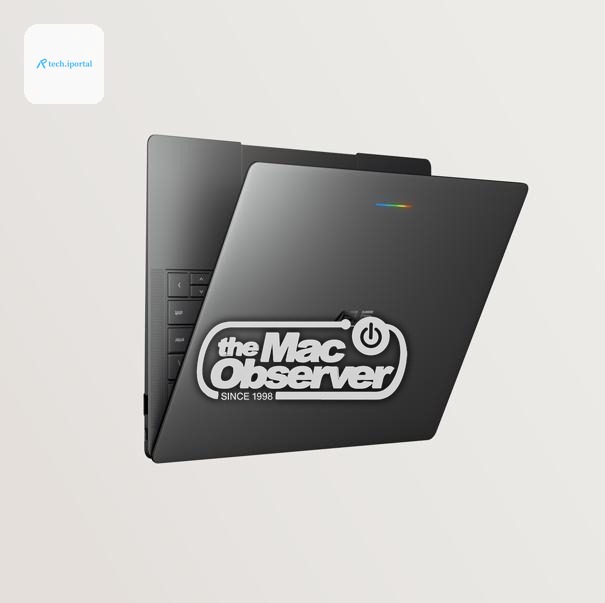
- At least two USB‑C ports (supporting power delivery, data transfer and display output)
- Two USB‑A ports for legacy peripherals
- A 3.5 mm headphone jack for audio accessories
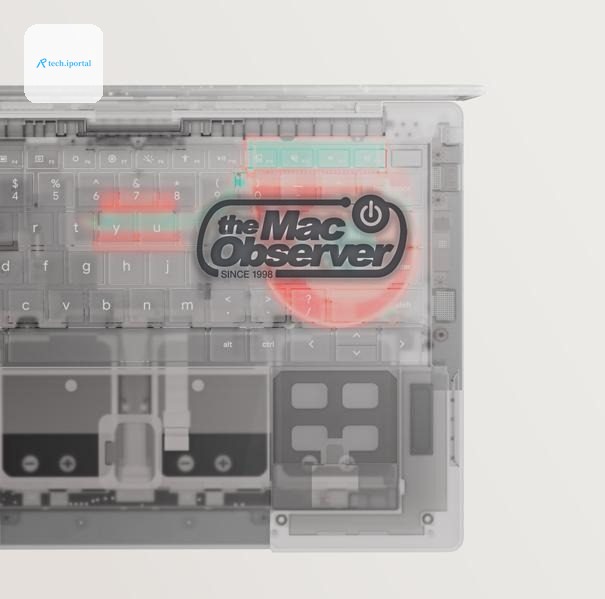
- A dedicated G key positioned where the Windows Start or Mac CMD key typically resides, offering quick access to Google services
This port assortment reduces the need for external adapters, addressing a common pain point for professionals who connect multiple devices simultaneously. The inclusion of both USB‑C and USB‑A reflects a transitional strategy, catering to users who have not yet fully migrated to the newer standard.
Security and additional hardware features
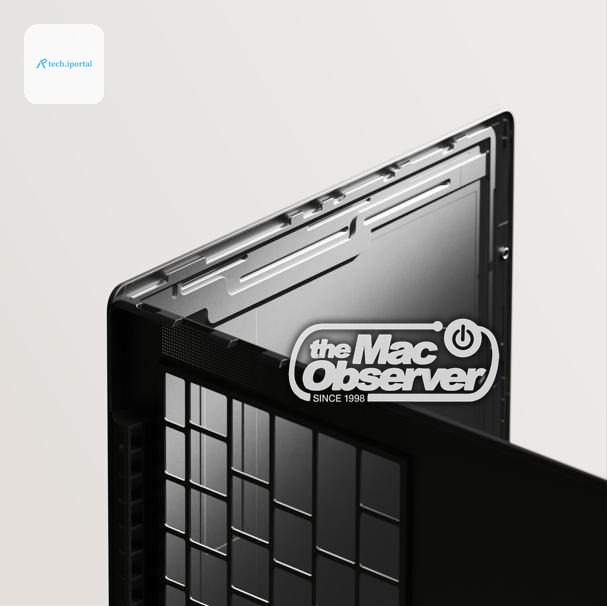
The laptop integrates a fingerprint sensor embedded in the power button, enabling fast and secure login without the need for passwords. This biometric solution aligns with industry trends toward password‑less authentication, enhancing both convenience and security. Additionally, a discreet cooling fan is visible in the rear chassis, suggesting that the device is designed to handle sustained workloads without thermal throttling.
Technical specifications and performance expectations
While the leaked images do not disclose the exact processor or memory configuration, the partnership between Asus and Google hints at a reference design based on the latest Intel or AMD mobile CPUs, paired with integrated graphics optimized for everyday tasks. The large trackpad and extensive port set imply a focus on productivity rather than gaming, positioning the Googlebook as a competitor in the business‑class laptop segment.
Given the presence of a fingerprint sensor and a dedicated G key, software integration with Google’s ecosystem is likely deep, potentially offering seamless access to Google Workspace, cloud storage and AI‑driven assistance directly from the hardware.
Comparison with contemporary laptops
When measured against recent flagship models such as the Dell XPS 13 or the Apple MacBook Air, the Googlebook distinguishes itself through its port diversity. The XPS 13, for example, offers only two USB‑C ports and relies on a separate dongle for legacy connections, while the MacBook Air eliminates USB‑A entirely. By retaining both USB‑C and USB‑A, Asus targets users who value flexibility without sacrificing a thin profile.
In terms of input surface, the Googlebook’s trackpad rivals the size of the MacBook’s Force Touch pad, which is praised for its responsiveness. This could make the Googlebook an attractive alternative for users who prioritize precise cursor control for design or data‑analysis work.
Potential limitations and unanswered questions
Despite the promising hardware cues, several aspects remain unclear. The battery capacity and expected endurance have not been disclosed, leaving questions about how the larger trackpad and additional ports might impact power consumption. Likewise, the exact display specifications—resolution, refresh rate, and color gamut—are still unknown, which are critical factors for creators and professionals.
Another open question concerns the pricing strategy. Asus typically positions its collaborative devices at a mid‑range price point, but the inclusion of premium materials and a robust port set could push the Googlebook into a higher bracket, potentially limiting its appeal to cost‑sensitive markets.
Market impact and future outlook
Googlebook pre‑orders are slated to begin on September 21, signaling a rapid rollout following the leak. If the device delivers on its hardware promises, it could reshape expectations for future laptops by demonstrating that a balanced port selection and a large trackpad can coexist with a sleek, lightweight form factor.
For enterprises that rely on Google’s cloud services, the dedicated G key and integrated fingerprint sensor may streamline workflow integration, encouraging adoption in corporate environments. Moreover, the hardware choices could influence competitors to revisit their own port strategies, potentially leading to a resurgence of USB‑A in premium laptops.
Overall, the Asus Googlebook appears to be a thoughtfully engineered device that addresses several user‑pain points identified in recent years. Its success will depend on how well the software ecosystem aligns with the hardware and whether the pricing meets market expectations.