Sun'iy intellekt
AI ilm-fanda 'Roadside Picnic' kabi kashfiyot dumpini yaratmoqda
AI ilm-fan sohasida kashfiyotlarni tezkor 'dump' shaklida taqdim etib, olimlarning tushunish qobiliyatini sinovdan o'tkazmoqda va ilmiy hamjamiyatni o'zgartiradi.
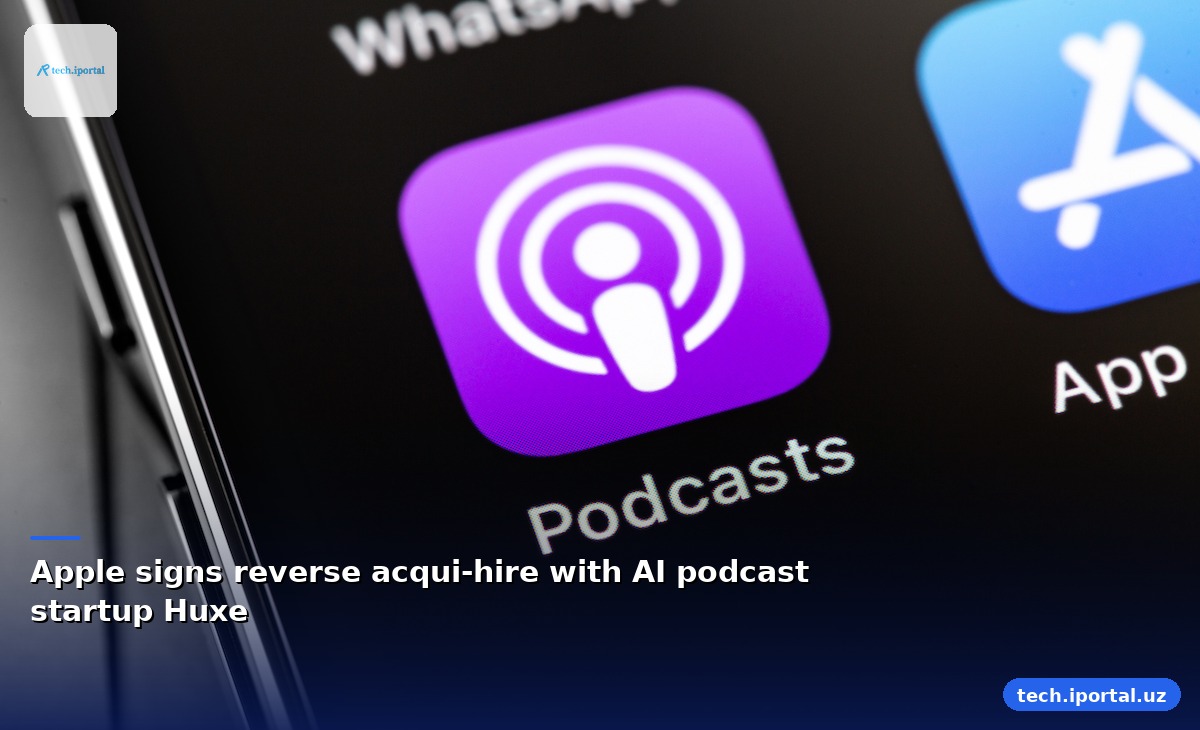
Apple has taken a decisive step toward enriching its audio ecosystem by entering a reverse acqui‑hire agreement with Huxe AI, a startup that specialized in personalized podcast generation. The move, revealed in a filing to the European Commission, combines talent acquisition with technology licensing, allowing Apple to integrate cutting‑edge AI capabilities without a full acquisition.
In recent years, artificial intelligence has reshaped how audio content is created and consumed. Tools that can automatically generate or tailor podcast episodes to individual listeners promise to keep audiences engaged longer and open new revenue streams for platforms. Huxe AI emerged from a team that previously contributed AI‑generated podcast features to Google’s NotebookLM (now Gemini Notebook). Their core technology analyzed listener preferences, speech patterns, and topical trends to produce short, customized audio snippets that could be inserted into existing shows or stand alone as micro‑podcasts.
While the concept attracted early adopters, Huxe announced on May 21 that it would shut down its consumer app, remove it from the Apple and Google stores, and delete user data. The company cited a strategic pivot, thanking its community for feedback that helped shape the product.
Reverse acqui‑hires have become a favored approach for large tech firms seeking to absorb niche talent and intellectual property without triggering the antitrust scrutiny that a full acquisition might invite. By offering employment contracts to select employees and securing a non‑exclusive license to the startup’s patents and code, a corporation can quickly embed new capabilities while keeping the original entity’s brand and liabilities separate.
Apple’s filing indicates that it extended employment offers to "certain employees of Huxe AI" and obtained a non‑exclusive license to Huxe’s intellectual property. The exact identities of the hired staff and the scope of the licensed assets remain undisclosed, a common practice that preserves competitive advantage while complying with regulatory transparency requirements.
The agreement was reported to the European Commission on June 9, shortly after Huxe’s shutdown announcement. According to the filing, Apple will:
Apple has not disclosed whether the hired team will operate within its existing AI division, join a new dedicated audio‑AI group, or remain semi‑independent. The lack of detail leaves room for speculation about how the technology will be rolled out to users.
Apple’s Podcasts app, long dominated by traditional, linear episodes, has been exploring ways to stay relevant as listeners gravitate toward short‑form, algorithm‑driven audio. By incorporating Huxe’s personalization engine, Apple could offer features such as:
These capabilities would directly compete with Spotify’s recent launch of AI‑generated podcast content, suggesting that Apple aims to match or surpass its rival’s offerings. Moreover, the move signals Apple’s broader commitment to embedding generative AI across its services, from Siri to iMessage.
From an industry perspective, the deal underscores a growing trend: AI‑centric startups are becoming valuable talent pools for the big players. Rather than buying entire companies, firms like Apple, Google, and Microsoft are opting for targeted acqui‑hires that sidestep lengthy integration processes and regulatory hurdles.
While the agreement promises technical enhancements, several uncertainties remain:
Apple’s next steps will likely involve internal testing, integration with existing recommendation pipelines, and possibly a phased rollout to a subset of users. Observers will watch closely for announcements at Apple’s upcoming developer events, where the company often unveils AI‑related enhancements.
In sum, the Huxe reverse acqui‑hire illustrates how major platforms are quietly building AI talent and technology pipelines. By securing both the people and the patents behind personalized podcast generation, Apple positions itself to experiment with new audio experiences while navigating the complex regulatory landscape that surrounds large‑scale AI adoption.
For the full regulatory filing and additional context, see the original report on TechCrunch.

AI ilm-fan sohasida kashfiyotlarni tezkor 'dump' shaklida taqdim etib, olimlarning tushunish qobiliyatini sinovdan o'tkazmoqda va ilmiy hamjamiyatni o'zgartiradi.

Shane Mac, XMTP Labs boshqaruvchi direktori, shaxsiy AI agenti Grok Bot orqali o'z bank ma'lumotlarini kompaniya Slack kanaliga yuborgan voqeani hikoya qiladi.
Bugungi kunda matn xabarlaringizda yashaydigan AI agentlar soni ko'payib bormoqda. Bu agentlar sizga turli vazifalarni bajarishga yordam beradi.
LLM larni "inevitable" deb e'lon qilishning mantiqiy asoslari, tarixiy misollar va ijtimoiy sharoitga bog'liq cheklovlar ko'rib chiqiladi, texnologik tanlovga yangi nuqtai nazar qo'shadi.